What Are Single Vision Lenses? A Complete UK Guide
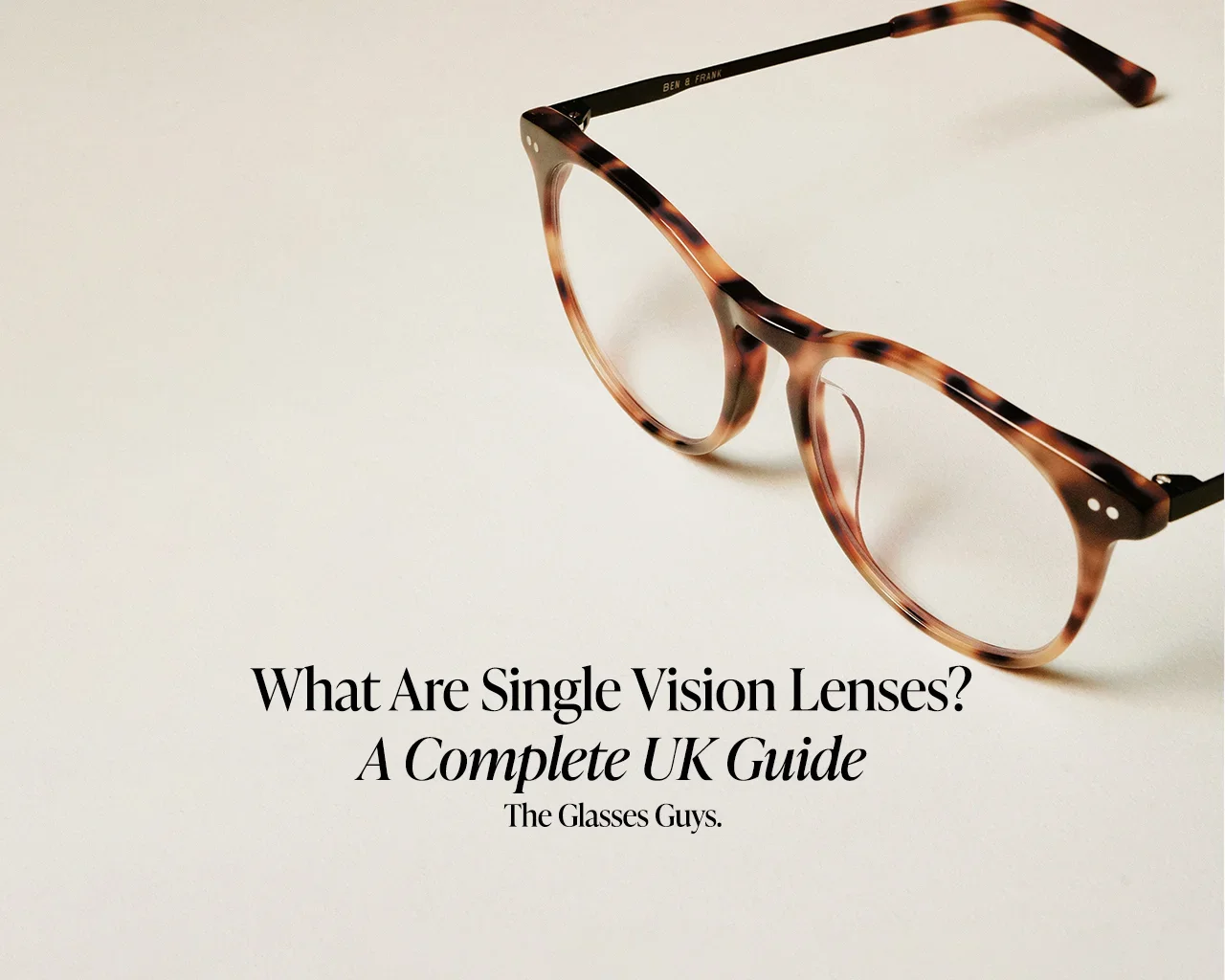
If you’ve recently had an eye test or started looking for new prescription lenses, there’s a good chance you’ve come across the term single vision lenses.
But what does “single vision” actually mean?
Single vision lenses contain one prescription across the lens and are designed to correct vision for a particular viewing range. They can be made for distance, reading or intermediate vision, depending on your prescription and how you intend to use your glasses.
They’re the most straightforward type of prescription lens — but that doesn’t mean all single vision lenses are the same.
From everyday distance glasses to dedicated computer lenses and high-index options for stronger prescriptions, there’s quite a lot to consider.
Here’s everything you need to know.
What Does Single Vision Mean?
A single vision lens has one optical prescription throughout the lens, rather than multiple prescription zones.
For example, someone who is short-sighted may have single vision lenses designed to provide clear distance vision. Someone else may have single vision reading glasses specifically for close-up tasks.
This is different from varifocal lenses, which combine distance, intermediate and near vision within the same lens.
Single vision lenses are commonly prescribed for:
Distance vision
Reading and close-up work
Intermediate or computer vision
The important thing is that “single vision” describes the lens design, not necessarily the distance at which the glasses are used.
What Are Single Vision Distance Lenses?
Single vision distance lenses are designed to correct your vision at longer distances.
They are commonly prescribed for people with myopia (short-sightedness), hyperopia (long-sightedness) or astigmatism, depending on the prescription.
You might wear them:
All day
For driving
To watch television
At the cinema
Outdoors
Whenever you need clearer distance vision
For many younger glasses wearers, their everyday prescription glasses will simply contain single vision distance lenses.
As we get older, however, our ability to focus comfortably at different distances can change. This is when reading glasses, occupational lenses, bifocals or varifocals may become useful.
What Are Single Vision Reading Lenses?
Single vision reading lenses are designed specifically for close-up vision.
They can be useful for activities such as reading books, looking at your phone, sewing, crafts or other tasks performed at a relatively short working distance.
Unlike ready-made reading glasses bought from a supermarket or pharmacy, prescription reading lenses can be made specifically for each eye, including any astigmatism correction in your prescription.
That can be particularly important when your two eyes require different powers.
Prescription reading glasses can also be fitted into frames you already own, so you don’t necessarily need to replace a favourite pair of glasses just because your reading prescription has changed.
What Are Single Vision Intermediate Lenses?
This is where single vision lenses become particularly interesting.
Intermediate lenses are designed for a viewing distance somewhere between conventional reading and distance vision — often making them ideal for computer screens.
A standard pair of reading glasses may be focused too closely for a desktop monitor, while distance glasses may not provide comfortable focus at screen distance.
Single vision intermediate lenses can instead be calculated for your actual working distance.
They can be particularly useful if you spend long periods working at a desk and primarily need clear vision at one consistent screen distance.
If this sounds familiar, read our Reading Glasses vs Intermediate Lenses: What’s the Difference? guide for a more detailed comparison.
Single Vision vs Varifocal Lenses: What's the Difference?
The main difference is the number of viewing distances incorporated into the lens.
Single vision lenses provide one prescription and are normally optimised for one viewing range.
Varifocal lenses contain a gradual progression between different powers, allowing you to see across distance, intermediate and near ranges through different areas of the same lens.
Neither is inherently “better”.
If you only require one prescription, single vision lenses are usually the simplest solution. They generally provide a wide field of clear vision without requiring you to look through different areas of the lens.
If you require correction at several distances and don't want to swap between separate pairs of glasses, varifocals may be more convenient.
Single Vision vs Bifocal Lenses
Bifocal lenses contain two distinct prescriptions within one lens.
Typically, the main portion provides distance vision while a smaller segment towards the bottom provides near vision for reading.
Single vision lenses, by comparison, contain only one prescription.
This means someone who needs both distance and reading correction could choose separate pairs of single vision glasses, bifocals or varifocals depending on their prescription, lifestyle and preferences.
Are Single Vision Lenses Good for Computer Use?
They can be — but the prescription needs to be appropriate for your screen distance.
A pair of single vision intermediate glasses can be an excellent option for computer work because the entire lens can be optimised for the distance between you and your screen.
This provides a wide viewing area without the narrower intermediate corridor associated with some multifocal lens designs.
However, they're dedicated glasses. When you look across the room or down at something much closer, your vision may not be clear through them.
For someone moving frequently between a computer, paperwork, colleagues and other viewing distances, an occupational or varifocal lens may be more suitable.
Can Single Vision Lenses Be Put Into My Existing Frames?
Absolutely — and this is one of the main reasons people come to The Glasses Guys.
If you already own frames that you love, you don't normally need to buy completely new glasses just because your prescription has changed or your old lenses are scratched.
The process is called reglazing or relensing.
Your existing lenses are removed, new prescription lenses are manufactured to fit your frames, and the new lenses are professionally fitted.
It can be a particularly good option if:
Your frames are still in good condition
You have expensive or designer frames you want to keep
Your prescription has changed
Your existing lenses are scratched or damaged
You want to upgrade the lens specification
You simply don't want to replace perfectly good frames
At The Glasses Guys, we reglaze customers' own frames with new prescription lenses, including single vision, bifocal and varifocal options.
Can You Put Single Vision Lenses Into Sunglasses?
Yes.
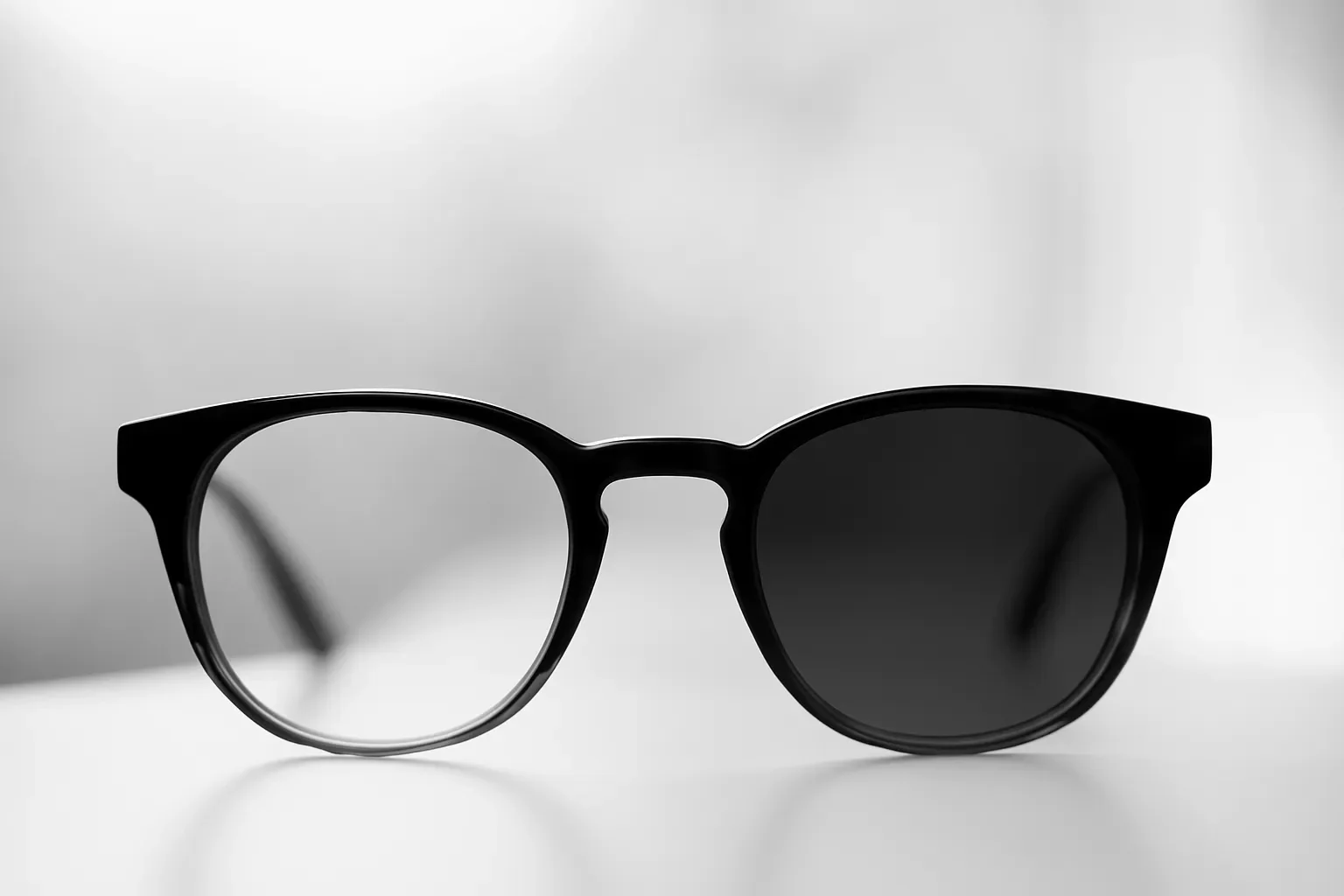
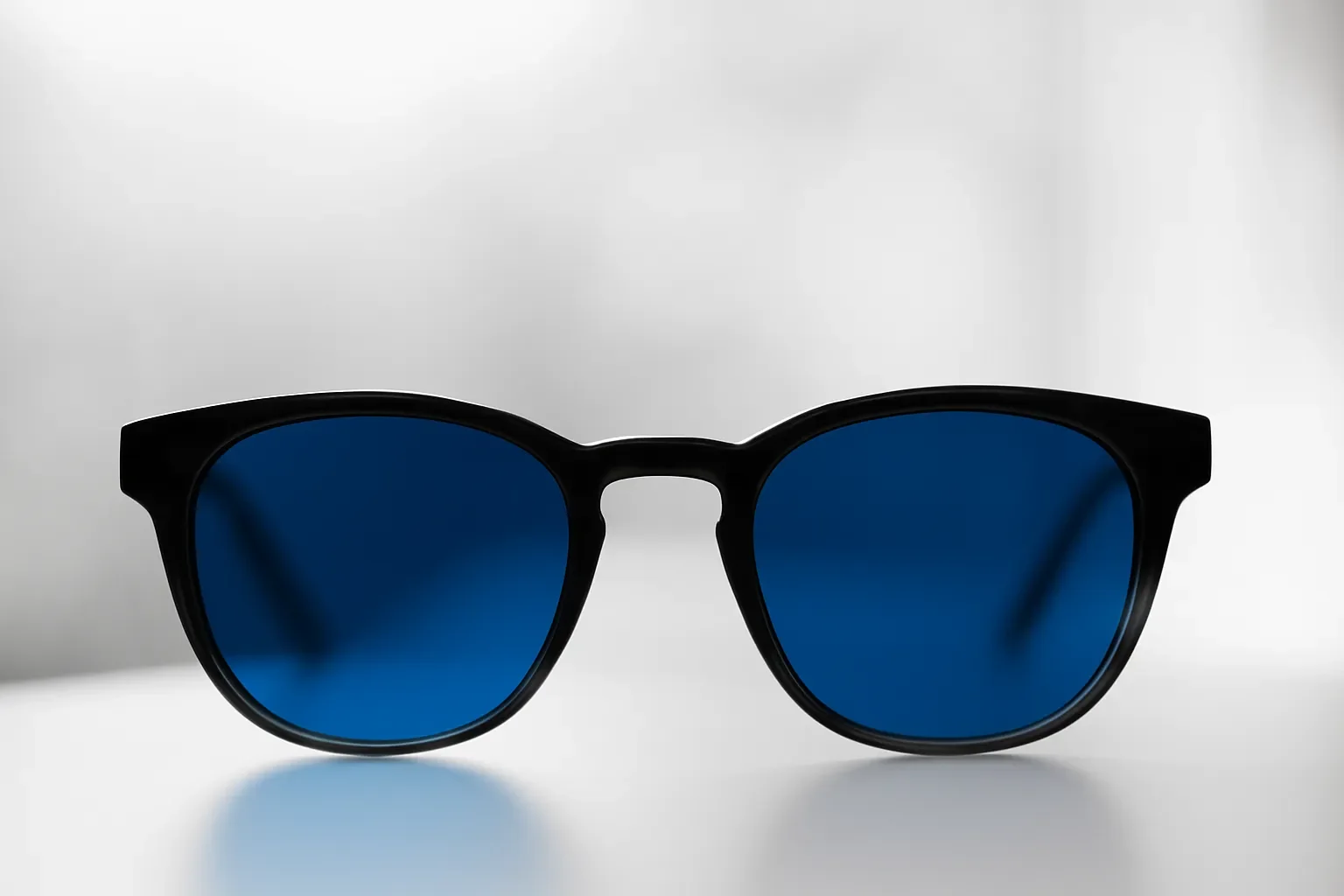
Single vision prescription lenses can be made as sunglass lenses, allowing you to use your normal distance prescription while benefiting from tinted lenses outdoors.
This can be particularly useful if you already own a pair of sunglasses you love but currently can't wear them comfortably because they don't contain your prescription.
Depending on the frame and prescription, options can include different tint colours, tint densities, polarised lenses and other lens finishes.
Your existing sunglasses can often be reglazed rather than replaced.
What Lens Options Can I Have With Single Vision Glasses?
“Single vision” only describes the optical design. You can still choose from a wide range of lens materials, coatings and finishes.
Depending on your prescription and how you use your glasses, these can include thinner high-index lenses, anti-reflection coatings, scratch-resistant coatings, UV protection, photochromic lenses such as Transitions®, prescription sunglasses and different lens tints.
For stronger prescriptions, choosing a thinner lens material can also reduce lens thickness and weight and improve the finished appearance of the glasses.
The best combination depends on your prescription, frame and how you'll use the glasses.
How Much Do Single Vision Lenses Cost?
The cost of single vision lenses depends on several factors, including your prescription, lens material, coatings and any additional features you choose.
A straightforward single vision prescription will generally cost less than a more complex varifocal lens, while upgrades such as thinner materials, photochromic technology or specialist coatings can increase the price.
If you're keeping your existing frames, reglazing can also mean you're paying for the new lenses you actually need rather than buying another complete pair of glasses.
Do I Need Single Vision, Bifocal or Varifocal Lenses?
That ultimately depends on your prescription and how you use your glasses.
If you only need correction for one viewing range, single vision lenses may be all you need.
If you need separate distance and reading correction, you might prefer two pairs of single vision glasses, bifocals or varifocals.
And if your main problem is seeing a computer screen comfortably, dedicated intermediate or occupational lenses may be worth considering.
Your prescription — particularly whether it contains an ADD (addition) value — can help determine which options are appropriate.
Keep Your Frames. Upgrade Your Lenses.
A new prescription doesn't automatically mean you need new glasses.
If your existing frames still fit well and you enjoy wearing them, The Glasses Guys can replace the lenses while you keep the frames you already own.
Whether you need single vision distance, reading or intermediate lenses, we can manufacture new prescription lenses and professionally fit them into your frames.
It's a simple way to refresh your glasses, update your prescription and get more life from frames that are still perfectly good.
Ready for new lenses? Choose your single vision lenses and send us your frames to be reglazed.

❓ Frequently Asked Questions
-
Single vision lenses contain one prescription across the lens. They can be made for distance, reading or intermediate vision depending on your prescription and intended use.
-
They can be either. Single vision refers to the lens having one prescription, not to a particular viewing distance. They can be prescribed for distance, near or intermediate vision.
-
Single vision glasses are glasses fitted with lenses containing one prescription rather than multiple viewing zones. They are commonly used for distance, reading or computer work.
-
Yes, if they are prescribed for your everyday visual needs. Many people wear single vision distance glasses throughout the day. Reading or intermediate glasses are generally intended for specific tasks and viewing distances.
-
Single vision distance lenses can be suitable for driving when they contain the appropriate prescription. Your optometrist can advise whether your vision meets the required driving standard.
-
Yes. Single vision intermediate lenses can be specifically prescribed for your computer working distance, providing a wide area of clear vision across the screen.
-
Generally, yes. Single vision lenses have a simpler optical design than varifocals, although the final price depends on your prescription, lens material, coatings and any additional features.
-
Yes. Provided the frame is suitable for reglazing, its existing lenses can be removed and replaced with new single vision prescription lenses.